

CQ9 338B – Explore Online Casino Games and Betting
The online gambling industry continues to evolve through advanced digital technology, diverse entertainment categories, and improved accessibility across multiple devices. cq9 of trang chủ u88 is a topic exploring online casino games, digital slots, card games, and interactive gaming experiences. Understanding gameplay mechanics, payout structures, and technical standards helps readers evaluate the modern iGaming environment. Beyond entertainment features, account protection and responsible bankroll management remain essential for recognizing financial risks and making informed decisions.
Explore Online Gaming Categories at CQ9 338B

Modern casino environments combine different entertainment formats with unique gameplay mechanics and payout structures. When researching cq9 338B, readers can explore online slot machines, traditional casino table games, and interactive gaming categories to understand how these products operate and what risks they involve.
Online Slot Games and Popular Bonus Features
Online slots represent a recognizable category within digital casino entertainment. These games typically feature spinning reels, colorful symbols, and different combinations that determine potential rewards.
Popular slot features include Wild symbols, Scatter combinations, Free Spins, and Bonus Rounds. Each product may contain different paylines, reel configurations, and payout tables.
Slot volatility also influences how frequently rewards occur and how widely individual outcomes vary.
Understanding these mechanisms allows readers to distinguish between visual entertainment and mathematical probabilities. Attractive animations, special effects, and promotional features do not guarantee successful results or eliminate financial uncertainty.
Online Casino Games and Traditional Table Entertainment
Online casino platforms commonly feature baccarat, blackjack, roulette, and other traditional table games.
Baccarat determines outcomes by comparing card totals, while blackjack requires decisions based on hand values and established gaming rules. Roulette uses a numbered spinning wheel to determine results.
Within the research context of cq9 338B, examining casino categories highlights the differences between card-based games, spinning wheels, and automated gaming mechanisms.
Live dealer entertainment also uses real-time streaming technology to broadcast physical casino tables.
However, realistic visuals do not change the mathematical house advantage associated with individual games.
Online Card Games and Interactive Gaming Categories
Besides slots and traditional casino products, the iGaming industry includes poker, fishing games, and arcade-style entertainment.
Poker combines probability calculations with strategic decision-making, while other card games follow different scoring systems and winning conditions.
Digital fishing games commonly feature underwater environments, moving targets, and reward structures associated with different virtual creatures.
Each category has specific participation rules, payout calculations, and potential financial risks.
Users should review these characteristics carefully rather than relying on promotional descriptions or visually appealing rewards.
Gaming Technology and Online Payout Mechanisms
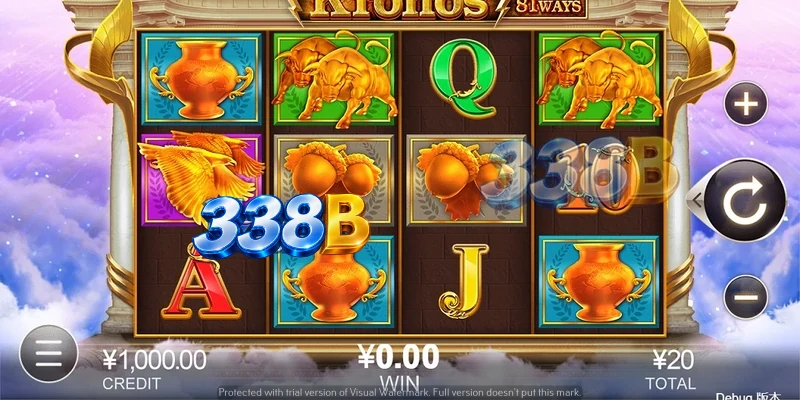
Technology supports digital gaming operations through automated processing, random outcome generation, and responsive performance. When exploring cq9 338B, understanding RNG algorithms, theoretical payout percentages, and cross-device compatibility provides valuable insight into technical standards commonly associated with modern casino entertainment.
RNG Technology and Random Gaming Outcomes
Random Number Generator (RNG) technology uses mathematical algorithms to generate unpredictable numerical sequences. These systems help determine outcomes in online slots and various digital casino products.
In properly designed implementations, independent gaming rounds are not influenced by previous results.
CQ9 Gaming is known for offering different digital entertainment categories, including online slots, card games, fishing games, and arcade-style products.
However, the existence of random outcome technology does not guarantee that individual participants will achieve profitable results.
Independent software testing can provide additional evidence of technical fairness, while mathematical house advantages remain relevant to overall financial expectations.
RTP Percentages and Winning Probability Analysis
Return to Player (RTP) describes the theoretical percentage of wagered money returned across an extensive number of gaming rounds.
For example, a digital slot displaying 96% RTP is designed around a long-term theoretical return of 96%. Individual gaming sessions may produce significantly different results.
When researching cq9 338B, readers should distinguish between RTP percentages, winning frequency, volatility, and house advantage.
Additional factors such as paylines, payout tables, and bonus activation requirements influence how rewards are calculated.
Understanding these measurements helps users evaluate casino products through mathematical reasoning rather than assuming advertised jackpots represent likely financial outcomes.
Casino Interfaces and Cross-Device Compatibility
An effective online casino interface should provide organized navigation, accessible game categories, and clear payout information.
Responsive web technology allows digital entertainment products to adapt to smartphones, tablets, and desktop computers while maintaining essential functionality.
Useful interface features include game descriptions, session histories, balance information, and accessible terms of service.
Additionally, encrypted connections and secure authentication systems can reduce unauthorized account access risks.
Stable performance should be accompanied by transparent operating conditions and reliable personal data protection measures.
These elements contribute to an accessible environment where users can review important information before participating.
Account Security and Responsible Online Gambling

Protecting personal information and maintaining financial control are essential considerations when accessing real-money casino products. For individuals researching cq9 338B, understanding account verification procedures, payment policies, and bankroll management principles can help reduce potential security vulnerabilities and financial risks.
Account Registration and Personal Information Protection
Legitimate online gambling operators generally require age verification, identity confirmation, and accurate contact information according to applicable regulations.
Before registering, users should examine licensing details, privacy policies, and platform terms of service.
Creating strong passwords, enabling two-factor authentication, and avoiding shared devices can help protect personal information against unauthorized access.
Individuals should also recognize fraudulent websites, suspicious links, and requests for sensitive verification codes.
Personal information should only be submitted through legitimate, appropriately secured communication channels.
Regular account monitoring can help identify unusual login attempts or unauthorized activity.
Deposit, Withdrawal, and Transaction Security
Online gambling services may offer different payment methods depending on their operators, financial infrastructure, and applicable legal requirements.
Important considerations include transaction limits, processing periods, payment fees, and withdrawal conditions.
When exploring cq9 338B, users should not assume that specific deposit or withdrawal methods are supported without verified information from an authorized operator.
Maintaining transaction records, checking recipient details, and protecting authentication codes can help reduce financial fraud risks.
Transparent payment policies should also explain verification procedures and potential transaction restrictions.
Reviewing these conditions before transferring funds contributes to more informed financial decisions.
Bankroll Management and Responsible Gaming Habits
Online casino gambling always involves the possibility of financial losses, regardless of advanced technology or attractive reward mechanisms.
Adults living in jurisdictions where gambling is legally permitted should establish entertainment budgets, participation schedules, and acceptable loss limits.
Money intended for living expenses, personal loans, or essential financial commitments should never be allocated to gambling.
Increasing wagers to recover previous losses can create additional financial difficulties and encourage impulsive decisions.
Monitoring spending, taking regular breaks, and recognizing signs of excessive gambling are important protective practices.
Responsible participation requires realistic expectations and an understanding that casino gaming is not a dependable source of income.
Conclusion
cq9 338B provides an informative topic for exploring online slots, casino table games, RNG technology, and theoretical payout mechanisms within the digital entertainment industry. Understanding gaming rules, winning probabilities, account protection, and bankroll management helps readers recognize potential financial risks. Ultimately, online gambling should only be considered where legally permitted, with responsible spending limits and recognition that casino betting is an entertainment activity rather than a reliable method of generating income.